
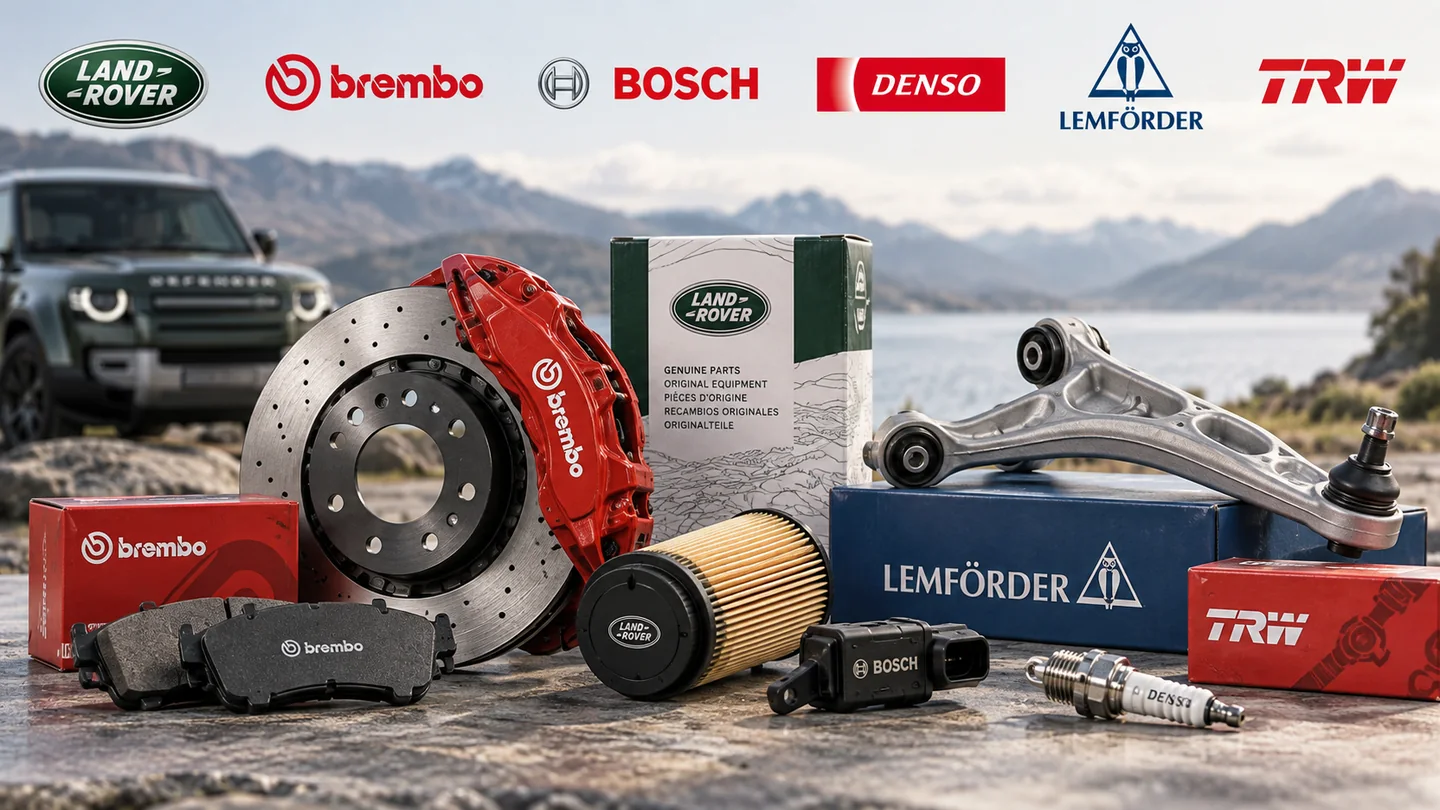
When buying parts for Land Rover, Range Rover and Jaguar, three things are often confused: the original part, an official OEM supersession, and an aftermarket equivalent. Because of this, a new genuine OEM number may be mistaken for a non-original part, while an ordinary aftermarket item may be treated as if it were “the same genuine part without the box”.
In reality, these are different things. Once you separate them correctly, choosing a part becomes much easier.
What is an original part
An original part is a component sold under a genuine JLR catalog number. For Land Rover, Range Rover and Jaguar, these can be numbers like LR…, T4A…, J9C… and others.
What is an official OEM supersession
An OEM supersession is not an aftermarket equivalent. A manufacturer may retire an older OEM number and replace it with a new one. The part remains genuine; it simply appears in the catalog under a newer OEM reference.
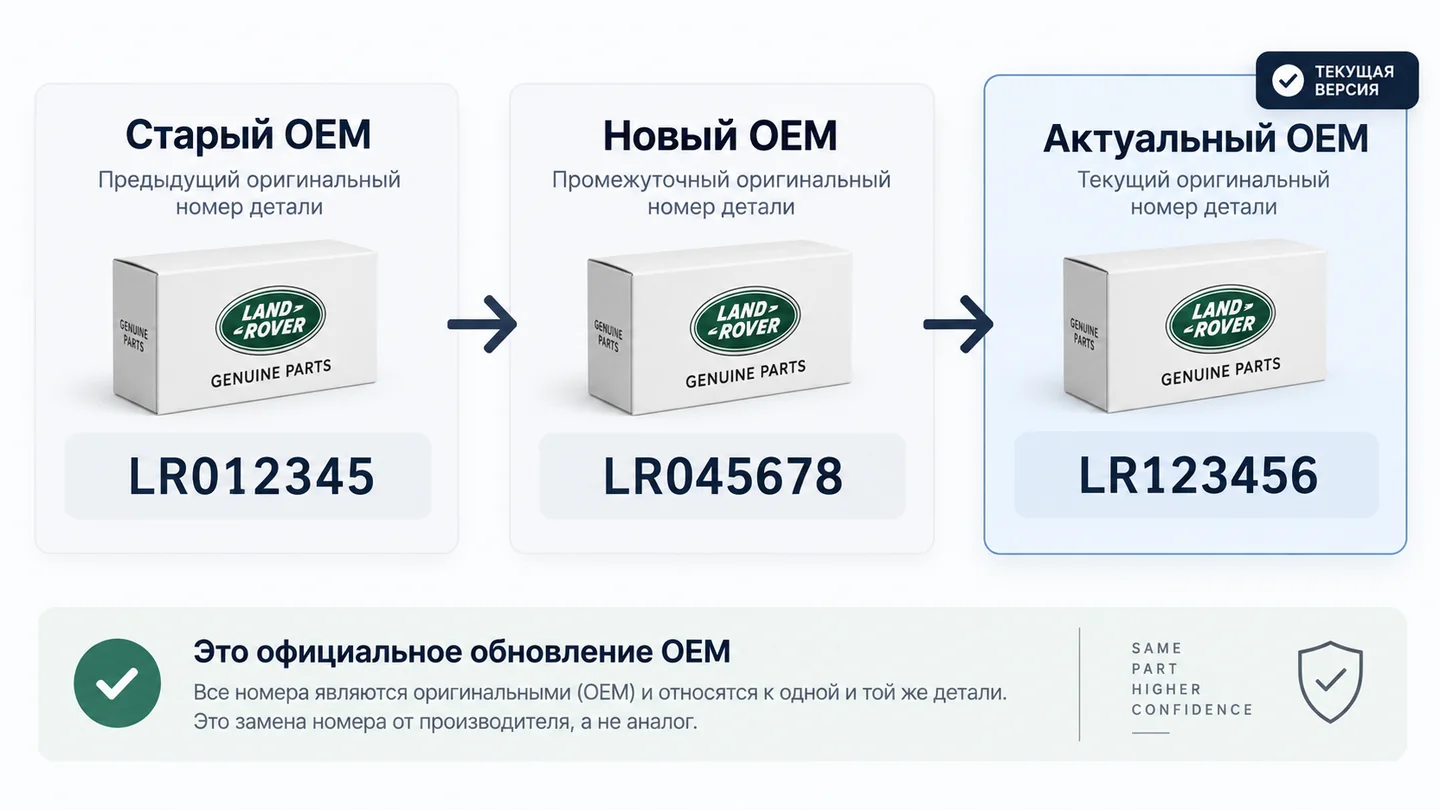
That is why, if an old number is no longer sold, the first step should be to check its official supersessions. Very often the right answer is not “find an alternative”, but simply move to the current OEM.
What is an aftermarket equivalent
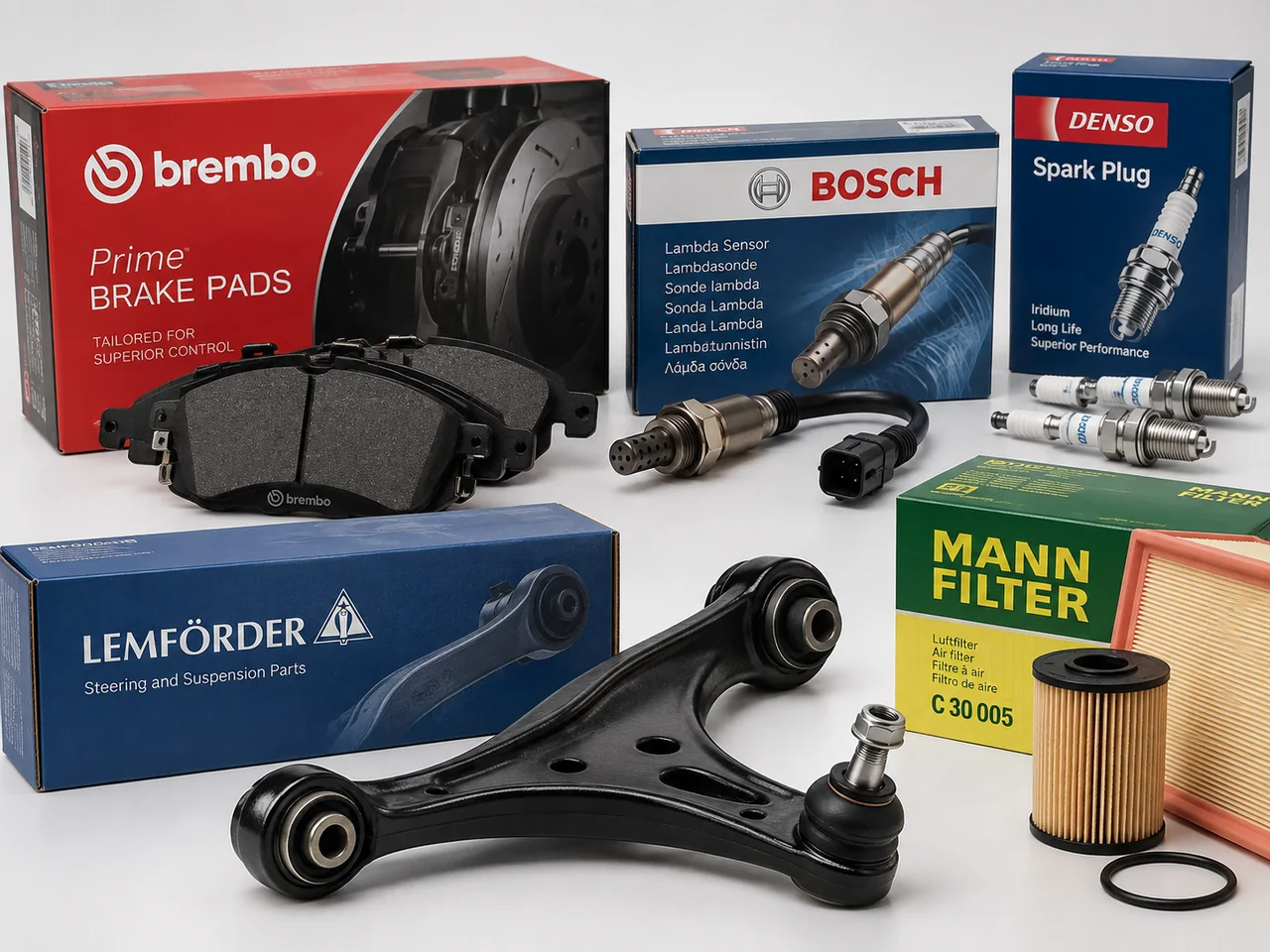
An aftermarket equivalent is a part made by a third-party manufacturer and listed as compatible with the genuine part. It has its own brand and own part number, but it usually cross-references a specific OEM number.
When to choose genuine and when an aftermarket part may work
If you want the simplest path to confirmed fitment, it is best to start from the genuine part number. This is especially useful for body parts, lighting, sensors, electronics and other positions where vehicle version, model years and facelift changes matter.
For many common service and replacement items, a good aftermarket part can also be a reasonable option. But it should be chosen only after the correct OEM has already been identified. That way you compare truly matching options instead of parts that only sound similar by name.
- Identify the correct OEM number.
- Check the official OEM supersessions.
- Only then compare the genuine part, the current OEM and suitable aftermarket equivalents.
A quick note about used genuine parts
A used genuine part is a separate category as well. It does not become an aftermarket part just because it has been previously installed. For some expensive or rare items, a used genuine component can still be a sensible option, but its actual condition always needs to be checked separately.
The takeaway is simple: a genuine part, an official OEM supersession and an aftermarket equivalent are three different things. First identify the correct OEM, then check its supersession, and only after that decide whether you need the genuine part or a quality aftermarket option.